What Is a 4-Point Inspection and Do I Need One in Florida?

Updated: Nov 9
A 4-point inspection is a short, insurance focused inspection that checks four major systems in a home: the roof, electrical, plumbing, and heating and cooling. In Florida, many buyers need one before an insurance company will issue a homeowners policy, especially on an older home. It is not a replacement for a full home inspection, and passing it does not mean the home has no problems.
What Does a 4-Point Inspection Actually Check?
The inspector records the condition and age of the four systems an insurer cares about most.
The roof is first: its type, age, visible condition, and any signs of active leaks or prior repairs. A roof near the end of its life, or one with visible damage, is the most common reason a report creates a problem.
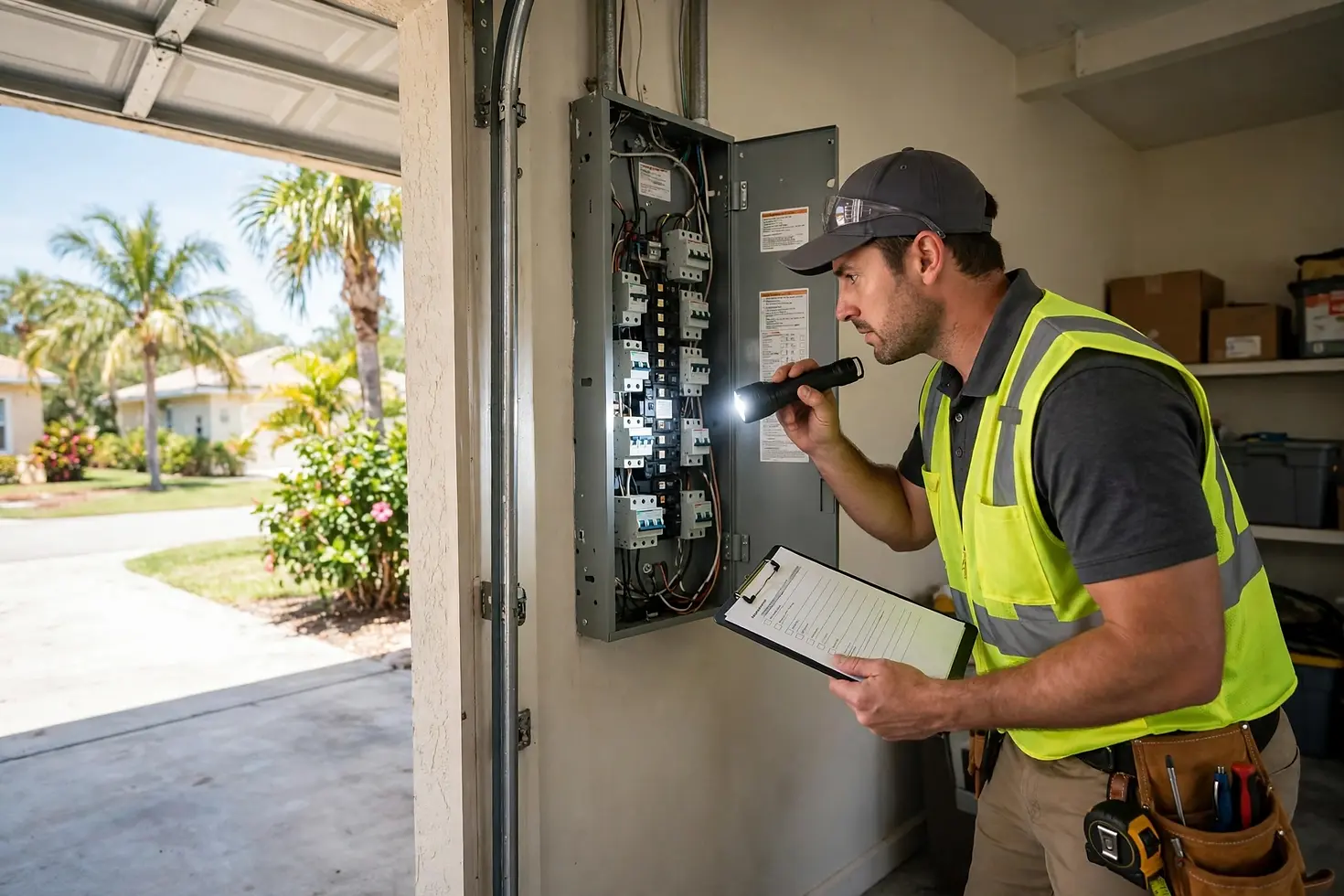
Electrical is next: the main panel, the type of wiring, and whether the system looks safe. Older panels or wiring types insurers no longer accept can be flagged even if everything in the house works.
Plumbing is third: supply and drain lines, water heater age and condition, and any visible leaks. A slow leak a buyer might ignore can matter to an insurer, because water damage claims are expensive.
Heating and cooling is fourth. In Southwest Florida that usually means air conditioning. The inspector records its age and whether it heats and cools as it should.
How Is a 4-Point Inspection Different From a Full Home Inspection?
A full home inspection is for the buyer. It covers structure, appliances, windows, drainage, and safety items, and it helps the buyer decide what they are getting into during the inspection period in Florida.
A 4-point inspection is for the insurance company. It is shorter and narrower, and it answers one question: do these four systems look insurable right now? A home can get through a full inspection with minor repairs and still fail a 4-point because of one roof or panel issue. A clean 4-point also does not mean the buyer should skip a full inspection.
When Do Florida Buyers Usually Need One?
Most buyers run into it when they apply for insurance after going under contract. The insurer asks for the report before it will bind coverage, and the lender usually requires proof of insurance before closing. That chain is why timing matters.
Requirements vary by insurer, by the age of the home, and by the roof. Newer homes sometimes do not need one. Older homes in Punta Gorda, Port Charlotte, and across Charlotte County very often do.
Start insurance quotes in the first days under contract, not the last week before closing. That is especially true on waterfront homes, where insurance costs and coverage rules are already tighter. If a problem is going to surface, you want it found while there is still time in the inspection period to talk about repairs.
What Problems Can Stop a Policy From Being Issued?
The roof causes the most delays. Insurers look hard at age, missing shingles or tiles, and evidence of leaks.
Electrical is next. Certain older panel types or wiring can lead to a denial, or a requirement to update the system before coverage starts. Plumbing flags usually involve active leaks, badly corroded lines, or a water heater past its life and showing rust. HVAC flags usually involve a system that does not operate or is badly damaged.
None of this means the sale is dead. It means the parties need a plan: fix the item, document the fix, get an updated report, or shop a different insurer whose rules fit the home as it sits.
How Should Sellers Prepare Before the Inspection?
Fix active leaks. Clear access to the electrical panel, water heater, and air handler. Repair visibly damaged roof tiles or shingles properly, and keep the paperwork.
If you know the roof, panel, or water heater is at the end of its life, say so early and price with that reality in mind. Documenting recent work on the four systems gives the buyers insurer far less to question, and helps the final walkthrough and closing stay on track.
What Happens If the Report Finds a Problem?
Read what the report actually says. A note about age is not the same as a failure. Ask the insurance agent directly: will you issue the policy as is, issue it with a repair condition, or not issue it until this is fixed?
Then get a quote for the specific repair from a licensed contractor for that trade. Depending on the contract terms and where you are in the inspection period, the buyer may ask for a repair, a credit, or walk away. Confirm your options with your agent and, if needed, a Florida real estate attorney.
Call early if the home is older, the roof age is unclear, or the panel looks original. Those three facts predict most 4-point problems in this market, and a good buyers agent will order the report in the first days under contract, side by side with the full inspection.
Frequently Asked Questions
How Long Does a 4-Point Inspection Take?
The visit is usually short, often under an hour, because the inspector only documents four systems. The report typically follows within a day or two, then goes to the insurer for review before coverage is bound.
How Long Does a 4-Point Report Stay Valid?
Insurers set their own windows, and many want a recent report from the current transaction. A report from a prior sale may not be accepted, so ask your insurance agent at the start which date range they will accept.
Who Pays for a 4-Point Inspection in Florida?
The buyer usually pays, because the report is ordered for the buyers insurance application. A seller can also order one before listing to find problems early, so who pays is a practical choice to confirm when the offer is written.
Can a Seller Get a 4-Point Inspection Before Listing?
Yes, and on an older home it is often smart. It tells the seller which roof, electrical, plumbing, or HVAC items an insurer is likely to flag, so they can be fixed or disclosed before a buyer is under contract.
Is a Wind Mitigation Inspection the Same Thing?
No. A wind mitigation inspection documents features that help a home resist wind, such as roof shape, roof to wall connections, and opening protection, and it can affect premium credits. A 4-point inspection documents the condition of four major systems so the insurer can decide on eligibility.
The house is one thing. The waterfront is another.
Thomas Forte
📲 (941) 317-1376
📧 thomas@srqshoreline.com


